Floor Sanding Times in Brockley: What Homeowners Should Expect
If you are planning wood floor sanding in Brockley, most homes take 1 to 3 days for sanding and sealing, depending on the floor area, timber condition, repairs, stain choice, drying conditions and the finish system used. A small room in good condition may be completed in a day, while a larger Brockley property with gap filling, board repairs, staining and multiple coats will usually take longer. The Brockley site’s own service pages highlight dust-free sanding, repairs, staining and sealing as part of its process, and its live blog already covers general wood floor sanding, dust-free sanding and hardwood floor restoration, which makes this timing-focused article a strong next-step topic for topical authority.
For homeowners comparing options, the key point is this: the sanding itself is only part of the schedule. Drying and curing matter just as much. Bona Traffic HD, for example, states recoating in around 2 to 3 hours, light use in around 6 hours, and covering after 3 days under normal conditions. Osmo states that its Polyx-Oils cure in roughly 10 to 14 days, even though they dry much sooner for the next stage of work.
Floor Sanding Brockley homeowners often ask whether they can stay in the property while the work is underway. In many cases, yes, but it depends on which rooms are being treated, how access is managed, and whether the team is carrying out repair work before sanding. The Brockley service site also notes flexible scheduling, dust-controlled sanding and restoration work including replacing damaged timber, filling gaps and sanding away old finishes, all of which affect total project time.
Why floor sanding times vary from one Brockley property to another
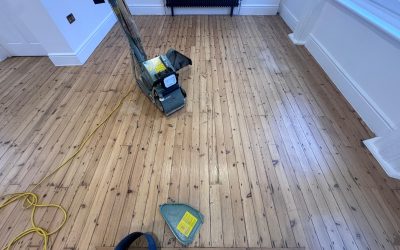
There is no honest “one-size-fits-all” answer. A Victorian or Edwardian Brockley home often has original pine boards, localised movement, old bitumen residue, blackened edges, previous paint layers or uneven repairs. Those factors slow the job down because the contractor cannot simply run one quick pass and apply a finish.
The main variables are:
1. Floor size
A small bedroom is very different from an open-plan reception room, hallway and dining area. The more square metres involved, the longer the sanding sequence, edging, corner work, vacuuming and coating stages will take.
2. Floor condition
Floors with deep scratches, cupping, adhesive residue, old stain, wax contamination, pet damage or uneven boards need more preparation. Heavily worn timber often requires a more aggressive first cut before refining through finer abrasives.
3. Repairs before sanding
Loose boards, damaged parquet blocks, open gaps and localised rot must be dealt with before the finishing passes begin. The Brockley site specifically references resetting wobbly boards, replacing damaged timber and filling gaps, which means repair time is a normal part of many jobs rather than an optional extra.
4. Finish system
A lacquered floor and an oiled floor do not run to the same timetable. Water-based systems can allow quicker recoating, while hardwax oils can need longer between coats and much longer before full cure. Bona Traffic HD and Osmo Polyx-Oil are a useful illustration of that difference.
5. Weather and indoor conditions
In London homes, humidity, ventilation and internal temperature matter. Lower temperatures and higher humidity can delay drying. That is particularly relevant in Brockley basements, shaded ground floors and older homes with limited airflow. Both Bona and Osmo state that climate conditions influence drying times.
A realistic timeline for floor sanding in a Brockley home
Below is the practical version most homeowners want.
Small room in good condition: about 1 day
A straightforward room with minimal repairs and no staining may often be sanded and sealed within a working day, though the floor will still need drying and curing time afterwards. This is usually the fastest case, not the average case.
Average living room or bedroom suite: 1 to 2 days
Where there is moderate wear, some filler work, edging and a standard finish schedule, expect one to two days of active work. That often covers sanding, filling, fine finishing passes and the first coats of product.
Multiple rooms or repair-heavy jobs: 2 to 3 days or more
If the project includes hallways, stairs, extensive board replacement, parquet repairs, stain application or difficult subfloor-related issues, the schedule can easily stretch beyond two days. The actual use of the rooms may then be limited for several more days, depending on the finish selected.
What actually happens during the sanding process?
Homeowners often imagine one sanding machine and a few hours of dust. Professional work is far more methodical than that.
Initial inspection and moisture assessment
A proper contractor should first assess:
- timber species
- board thickness or wear layer
- previous coating type
- movement and squeaks
- moisture risk
- subfloor stability
- damage requiring replacement
In older Brockley homes, this matters because not every floor should be sanded in the same way. A pine board floor in a period terrace needs a different approach from a modern engineered floor.
Preparation and repairs
Before the main sanding starts, the team may:
- remove floor coverings
- punch down protruding nails
- secure loose boards
- replace damaged sections
- reset loose parquet blocks
- carry out gap filling where suitable
This preparatory stage is one of the biggest reasons estimates change after inspection.
Sanding passes
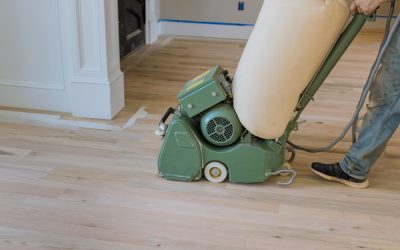
A professional floor sanding schedule is usually done in stages rather than one pass. On worn boards, contractors may begin with a coarser abrasive and refine through multiple grit levels to achieve a flatter, cleaner and smoother surface. In practical UK restoration work, a sequence such as 36 to 120 grit may be used depending on timber condition, board flatness and the desired finish standard. Industry guidance from NWFA also treats sanding and finishing as a staged system rather than a single-step process.
Edging and corners
Room perimeters, corners, under radiators and threshold details all add labour. This is why a room with awkward edges or lots of cut-ins takes longer than an empty square room of the same size.
Vacuuming and sealing
Once sanding is complete, the floor must be thoroughly cleaned before sealers or finishing coats go on. Any remaining dust can spoil the final appearance.
How long do finishes take to dry after sanding?
This is where many homeowners underestimate the real project length.
Water-based lacquer systems
Fast, durable lacquer systems are popular where clients want lower downtime. Bona Traffic HD states:
- recoating in around 2 to 3 hours
- light use in around 6 hours
- covering after around 3 days
Those timings are given under normal climate conditions, so real homes may vary. That makes water-based lacquer a strong option for busy Brockley households that need the floor back in service quickly.
Hardwax oil systems
Hardwax oils can produce a beautiful natural look, especially on character boards and parquet, but they often require more patience. Osmo’s guidance says Polyx-Oils cure in approximately 10 to 14 days, and its product information also notes drying in roughly 8 to 10 hours under normal conditions, with longer times possible in cooler or more humid environments.
Stained floors
If you are changing the floor colour, staining adds another stage. That means more drying time before the protective coats can begin. A darker design-led finish may look superb in a Brockley reception room, but it rarely makes the project faster.
Typical Brockley scenarios
Victorian pine boards
Common in period South East London housing, these floors often need:
- more careful levelling
- repair of split or springy boards
- resin or sliver gap filling where appropriate
- extra attention around hearths and skirtings
This usually means 1 to 3 days of active work, depending on extent.
Parquet restoration
Parquet is rarely the fastest category. Loose blocks, adhesive issues and the need for precise sanding across patterned surfaces make parquet restoration more time-intensive than standard straight boards.
Engineered wood floors
These can sometimes be sanded, but only if the wear layer is thick enough and the floor is suitable for refinishing. The inspection stage is critical here because not every engineered board can take a full sanding cycle safely.
Can you walk on the floor the same day?
Sometimes lightly, but not always, and never as if the job is fully finished.
For fast lacquer systems, very light use may be possible after several hours if the product guidance allows it. For oil systems, the surface may feel dry long before it has properly cured. Heavy furniture, rugs and concentrated traffic should wait until the product’s recommendations are met. Bona and Osmo both give specific aftercare timing that should be followed rather than guessed.
Can furniture go back straight away?
Usually not straight away.
Even when the contractor has completed the sanding and final coat, furniture return depends on:
- finish type
- room temperature
- ventilation
- whether felt protectors are fitted
- whether rugs or impermeable coverings will trap uncured finish
Bona says covering should wait around 3 days for Traffic HD under normal conditions. Osmo advises keeping traffic low and avoiding covering the surface during its longer curing window.
How to keep the job moving efficiently
If you want the work completed as quickly and cleanly as possible:
- clear the room properly in advance
- discuss repairs before the booking date
- ask what finish system is being specified
- confirm drying expectations, not just sanding duration
- make sure the property can be ventilated sensibly
- keep pets and children off freshly finished surfaces
- avoid turning the room back into normal use too early
Speed is helpful, but rushing a floor finish is false economy. A technically correct schedule protects the result.
Is dust-free sanding faster?
Dust-controlled sanding does not eliminate every minute of the process, but it does make the work cleaner, more manageable and easier to carry out in occupied homes. The Brockley site actively promotes dust-free and low-disruption sanding, which is especially relevant in family homes and furnished properties.
The honest answer: how long should you allow?
For planning purposes in a Brockley home, allow:
- 1 day for a small, simple room
- 1 to 2 days for an average room or couple of rooms
- 2 to 3 days or more for larger areas, heavy repairs, parquet or staining
- several extra days before full normal use, depending on the finish
- up to 10 to 14 days for full cure with some oil systems such as Osmo Polyx-Oil
That is the realistic homeowner answer, and it is far more useful than promising that “all floor sanding is done in a day”.
Why local homeowners in Brockley ask this question so often
In Brockley, many properties combine period character with busy modern living. Homeowners are not just asking about craftsmanship. They are asking:
- when can the family walk through again?
- when can furniture go back?
- do we need to leave the house?
- can this be done before guests arrive?
- how much disruption should we expect?
Those are sensible questions, and a good contractor should answer them in relation to the actual timber, the actual finish and the actual condition of the floor.
Final thoughts
So, how long does floor sanding take in a Brockley home? In most cases, the active work takes 1 to 3 days, but the overall usable timeline depends on repairs, finish choice and drying conditions. If the floor needs only straightforward sanding and a fast water-based lacquer, turnaround can be relatively quick. If it needs board repairs, staining, parquet work or an oil finish, the timeline extends.
For Brockley homeowners, the best approach is to ask for a site-specific assessment rather than rely on generic promises. The difference between “sanded”, “dry enough to recoat”, “lightly usable” and “fully cured” matters. When those stages are explained properly, you can plan the job with far less stress and get a better long-term result.
For expert local help, visit the Brockley floor sanding specialists to discuss room size, timber condition, finish options and scheduling.