
Brockley Parquet Floor Sanding and Restoration Explained
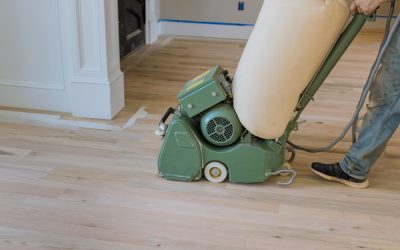
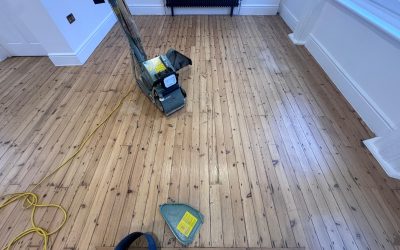
Yes, in many cases parquet floors can be sanded and restored successfully in Brockley, provided the blocks are still structurally sound, the subfloor is stable, and any loose, damaged or moisture-affected sections are dealt with before sanding begins. That matters because parquet is not restored in quite the same way as standard strip boards. Block direction changes, adhesive issues, historic repairs and movement all need proper assessment before a machine is switched on. Industry guidance also stresses that sanding and finishing methods must suit the floor condition, and that moisture-related distortion should stabilise before sanding proceeds.
If you are looking at a tired wood block floor and wondering whether it is worth saving, the short answer is often yes. Many period and mid-century homes around Brockley still have original parquet hidden beneath old finishes, carpet gripper damage, black staining near thresholds, or patchy wear in heavy traffic zones. In the right hands, those floors can often be repaired, sanded, sealed and brought back to life rather than ripped out. For a local overview of services, homeowners can start with Brockley Floor Sanding, which promotes dust-free sanding, restoration and sealing for local wood floors.
Parquet is especially worth preserving because it gives a room detail, rhythm and architectural character that standard replacement flooring rarely matches. Herringbone, basket weave and block parquet all respond well to restoration when the wear layer remains sufficient and the blocks have not failed structurally. The Brockley company’s own customer review section even highlights successful work on parquet floors, which is useful reassurance for homeowners comparing restoration with replacement.
Why parquet floors in Brockley are often worth restoring
Brockley has a strong mix of Victorian, Edwardian and later twentieth-century housing, and many of these homes contain original or older timber floors that were built to be renewed rather than thrown away. Parquet is one of the best examples. Even when it looks dull, orange, scratched, uneven or old-fashioned, the underlying blocks may still be perfectly restorable.
That matters for three reasons.
First, original parquet usually adds more character than new click-fit alternatives. Second, restoration is often less disruptive than full replacement when the floor is fundamentally sound. Third, sanding and refinishing lets you keep the pattern while changing the overall appearance through sheen level, colour correction and finish choice.
If you want a broader view of how sanding transforms older timber surfaces generally, see this existing Brockley article on wood floor sanding in Brockley, which explains how worn floors can often be revived instead of replaced.
So, can every parquet floor be sanded?
Not every parquet floor should be sanded immediately, and not every one is a candidate for full restoration without repairs first.
A proper assessment normally checks:
- whether the blocks are solid or loose
- whether previous adhesive failure has caused lifting
- whether there is moisture movement from below
- whether the floor has been sanded many times before
- whether deep bitumen contamination, black staining or past repairs have changed levels
- whether missing blocks can be matched before finishing
- whether the subfloor is stable enough to stop recurring movement
This is where experience matters. Parquet is less forgiving than open-board pine because the layout is tighter, the direction of the grain changes, and poor sanding technique can leave chatter, dish-out, edge mismatch or pattern distortion. NWFA guidance notes that parquet often ends with a finer final sanding grit than strip or plank flooring, which reflects the need for a more controlled finishing process.
Common parquet problems that still can be restored
Homeowners are often surprised by how much visible damage is repairable before sanding.
Loose or hollow-sounding blocks
Individual blocks can sometimes be lifted, cleaned, re-adhered or replaced before the whole floor is sanded. If movement is local rather than widespread, restoration is still usually viable.
Worn or patchy old varnish
This is one of the most common reasons parquet looks beyond saving. Old coatings often yellow, craze, or wear away in walkways. Sanding removes that failed surface so the block pattern reads clearly again.
Light cupping or unevenness
Minor unevenness can sometimes be corrected during a proper sanding sequence, but active moisture problems must be dealt with first. Moisture-related distortion should be stable before sanding is attempted.
Black edge staining
Dark staining around plant pots, radiators, external doors or pet areas can sometimes be reduced significantly, although the result depends on how deeply the stain has penetrated.
Gaps and local block loss
Parquet floors can often be patched with reclaimed or matched blocks before sanding and finishing. The Brockley pricing page also lists restoration and repair-related labour plus different gap-filling approaches, showing that repair work is already part of the service mix on the site.
When parquet may not be a straightforward sanding job
There are cases where sanding should not be the first step.
For example, if blocks are lifting across a large area, if a damp subfloor is driving seasonal movement, if previous flood damage has caused widespread distortion, or if the floor has already been sanded down too aggressively in the past, the restoration plan may need to begin with stabilisation and repair rather than refinishing.
Likewise, if an old parquet floor has heavy bitumen bleed-through, major levelling issues, or large areas of unmatched replacement blocks, the question is not simply “can it be sanded?” but “what repair sequence gives the best long-term result?”
That is why parquet restoration should always start with diagnosis rather than a generic sanding quote.
How professional parquet floor restoration usually works
A well-run parquet project normally follows a staged restoration process.
1. Inspection and moisture assessment
The floor is checked for loose blocks, old repairs, staining, movement, previous coatings and any signs of moisture instability. This stage matters because sanding a floor that is still moving is a shortcut to poor results. Industry guidance treats stable conditions as essential before sanding and finishing.
2. Repairs before sanding
Loose blocks are reset. Missing blocks are replaced where possible. Old nails, filler ridges, carpet gripper damage and raised sections are addressed. If required, sections may be re-bonded and left to settle before sanding begins.
3. Controlled grit sequence
Parquet usually needs a careful abrasive progression rather than a rushed heavy cut. Bona’s technical guidance notes final sanding ranges around 80 to 120 grit before multi-disc refinement depending on the finishing system, while accepted industry methods still govern the full process.
In practical terms, a professional parquet sequence may begin coarser where old coatings or unevenness require it, then refine through intermediate passes before finishing cuts. The exact start point depends on the condition of the floor, not a one-size-fits-all template.
4. Edge and corner detailing
Because parquet often runs tight to skirtings, hearths and thresholds, the perimeter work matters just as much as the field. Poor edge work is one of the quickest ways to make a parquet restoration look amateur.
5. Filling where appropriate
Minor gaps, small cracks and local defects may be filled depending on block movement, finish choice and the visual standard required. The Brockley site’s pricing page lists sawdust-and-resin filling for smaller gaps and other filling methods for wider gaps, which is relevant where parquet has local separation or historic shrinkage.
6. Sealing or oiling
Once the floor is properly prepared, the finish system is applied. This is where the appearance of the entire room changes.
Best finishes for restored parquet floors
The right finish depends on how the room is used and what appearance you want.
Lacquer for busy homes
A quality lacquer is often the best fit for hallways, living rooms, rental properties and family homes where wear resistance matters. Bona Traffic HD’s technical data states that coats typically dry in around 2 to 3 hours under recommended conditions, though humidity and lower temperatures can extend drying times, and the floor should not be covered too soon after application.
For parquet, lacquer works well when you want a clean, durable, lower-maintenance surface with matt, satin or more reflective sheen options.
Hardwax oil for a more natural look
If you want the grain and block pattern to feel warmer and less film-coated, hardwax oil is often preferred. Osmo states that Polyx-Oil Original is suitable for wooden floors, that the surface must be clean and dry before application, and that curing takes longer than simple touch-dry time. Osmo’s own guidance gives approximate curing at 10 to 14 days, while product information states clear coats dry in around 8 to 10 hours with good ventilation.
Oiled parquet can look superb in period interiors because it keeps the block pattern rich and natural, but it does need realistic aftercare expectations.
Stain plus protective topcoat
Where homeowners want to shift a dated orange tone, reduce yellowing or move toward a deeper smoked look, staining may be an option. Bona’s technical guidance also stresses the importance of sample areas because wood species and systems can vary in appearance and compatibility. That is particularly relevant with parquet, where repairs and mixed-age blocks can take colour differently.
What affects parquet restoration cost in Brockley?
Parquet pricing is rarely based on square metre rate alone. Real cost depends on floor condition, repair complexity, access, finish choice and whether missing or loose blocks need attention before sanding.
The Brockley Prices page lists guide figures including:
- floor sanding only from £22 per m²
- sanding with four coats of clear lacquer from £25 per m²
- sanding with two coats of clear or coloured hardwax oil from £27 per m²
- sanding with three coats of wood floor oil from £26 per m²
- additional charges for staining, gap filling, stairs, carpet removal and repair labour.
For parquet, the biggest cost variables are usually:
- number of loose or missing blocks
- condition of old adhesive and subfloor
- stain removal difficulty
- whether detailed patch repairs are needed
- finish specification
- room layout and furniture handling
That is why guide prices are useful, but proper inspection matters more.
For broader pricing context, homeowners can also review the site’s floor sanding prices in Brockley before requesting a quote.
Is parquet restoration better than replacement?
In many Brockley homes, yes.
Replacement is more sensible when the parquet is structurally failing across wide areas, when damp issues remain unresolved, or when previous damage has destroyed too much of the original floor. But if the blocks are largely intact and the floor can be stabilised, restoration is often the better route because it preserves character, reduces waste and usually avoids the upheaval of a full new floor installation.
This is especially true in homes where the parquet was part of the original design and still suits the proportions of the room.
Why a local Brockley specialist matters
Parquet restoration is not a generic trade job. It helps to use a team that already promotes restoration, repair, sealing and dust-free sanding in Brockley, and that understands older timber floors in occupied homes. The Brockley site states that it offers dust-free sanding, restoration solutions and a straightforward quotation process from its SE4 base, which is exactly the sort of local positioning that supports this kind of specialist work.
If you also want to understand how dust-controlled work fits into the process, read the site’s existing article on dust-free wood floor sanding in Brockley, which explains the benefits of cleaner sanding systems for lived-in homes.
And if your parquet is part of a wider timber floor project rather than a standalone issue, the article on hardwood floor sanding in Brockley is another useful supporting read.
Signs you should book a parquet floor assessment now
You should stop delaying and arrange an inspection when:
- blocks are starting to lift or move underfoot
- the finish has worn away in traffic lanes
- black staining is spreading near doors or windows
- old yellow varnish is making the room look dated
- you are renovating before sale or letting
- you are uncovering parquet beneath carpet and want to know if it is salvageable
The earlier repairs are handled, the better the odds of a cleaner, more cost-effective restoration.
Final answer: can parquet floors be sanded and restored in Brockley?
In many cases, absolutely. Parquet floors in Brockley can often be repaired, sanded and refinished beautifully, but the result depends on correct assessment, stable moisture conditions, sound block adhesion, careful grit sequencing and the right finish system. Bona’s and Osmo’s technical guidance both underline how much preparation, compatibility, drying and curing conditions matter, while NWFA guidance reinforces the need for accepted methods and stable site conditions before sanding proceeds.
If your parquet floor looks tired, scratched, hollow, patchy or old-fashioned, that does not automatically mean replacement. In many homes, professional restoration is the smarter answer. For enquiries, homeowners can start on the Brockley Floor Sanding home page or request a quote from the local team directly through the site.